Dirty Granny Tales is an acoustic ensemble that narrates atmospheric stories. Their shows include puppet theater, dance performance and video animation projection, all of which, accompanied by the music, bring the story to life.
Influenced by the atmospheric fairytales of Tim Burton and Guilermo Del Toro, the melodies of Danny Elfman, the irony of Tiger Lillies, The Residents’ sterile landscape, Japanese Gothic theater and Butoh choreography, Dirty Granny Tales transports us to a magical dark world in their own extraordinary way.
Telion’s Garden, a tale influenced by migration, invades human instincts. Indignation and fear lead to desperate decisions. The pursuit of a perfect, flawless, godly world becomes the goal: a world that no flames can destroy, a world that has no room for hellish fire. Alas, the lack of fire can only create an emotionless world. Perfection is an illusion. Life is an inseparable bond of light and darkness. Respecting this bond is the only key to our survival.
You are currently viewing a placeholder content from YouTube. To access the actual content, click the button below. Please note that doing so will share data with third-party providers.
More InformationYou are currently viewing a placeholder content from YouTube. To access the actual content, click the button below. Please note that doing so will share data with third-party providers.
More InformationDirty Granny Tales are:
Stavros Mitropoulos (Mouldbreath): Vocals, Guitar, Mandolin
Thanos Mitropoulos (Wormeaten Vagus): Bass, Blockflute, Backing Vocals
Dalai Theofilopoulou (Slimeskin): Cello, Backing Vocals
Uli Muehe (Heartbeat Zero): Percussion, Backing Vocals
Ruby Wilson: Dance
Giulia del Balzi: Dance
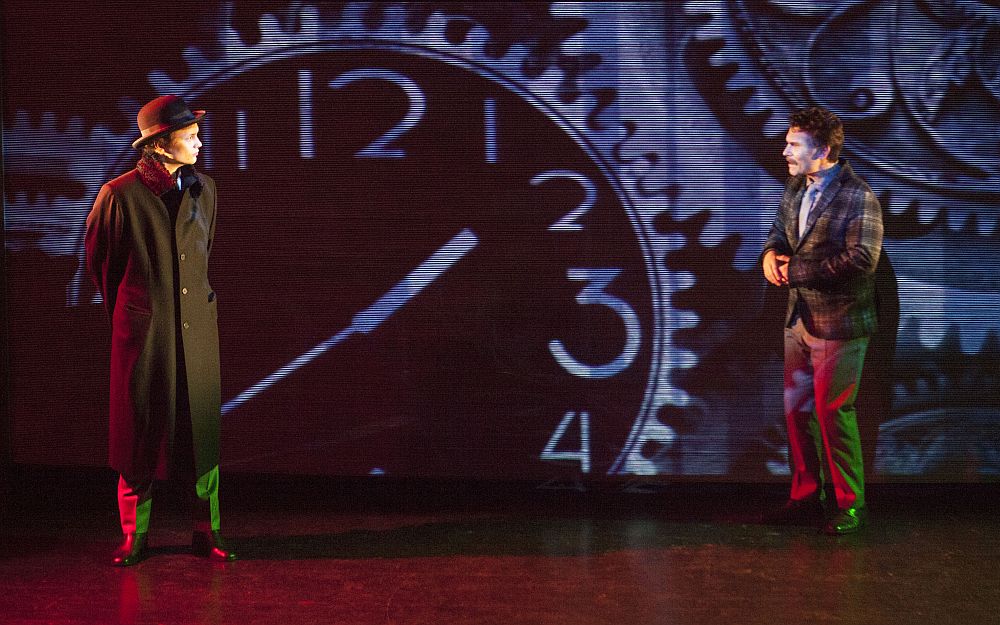 The foundations of European society were being shaken and World War I was about to deal them a final blow when Albert Einstein presented his general theory of relativity in Berlin on November 25, 1915 – now even space, time, gravity and the cosmos were no longer what they used to be. Everything seemed to be relative, all conventions were crumbling and God had left the building.
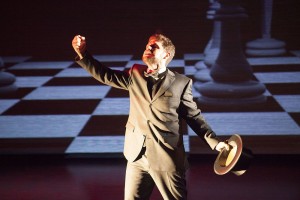
 Within a few years, Einstein emerged as an internationally-acclaimed scientist comparable to Copernicus or Newton. In Stockholm, however, the Nobel Committee for Physics resisted the massive support for his theories of relativity. What was at stake was whether or not a prize should go to Einstein and his “corrupt Jewish science,” as it was called by those who would soon instigate the next European catastrophe.
 Robert Marc Friedman’s new play tells a tale of strained friendships, the search for new perspectives and scientific integrity against a backdrop of a fierce battle between uncompromising opponents in a decaying society.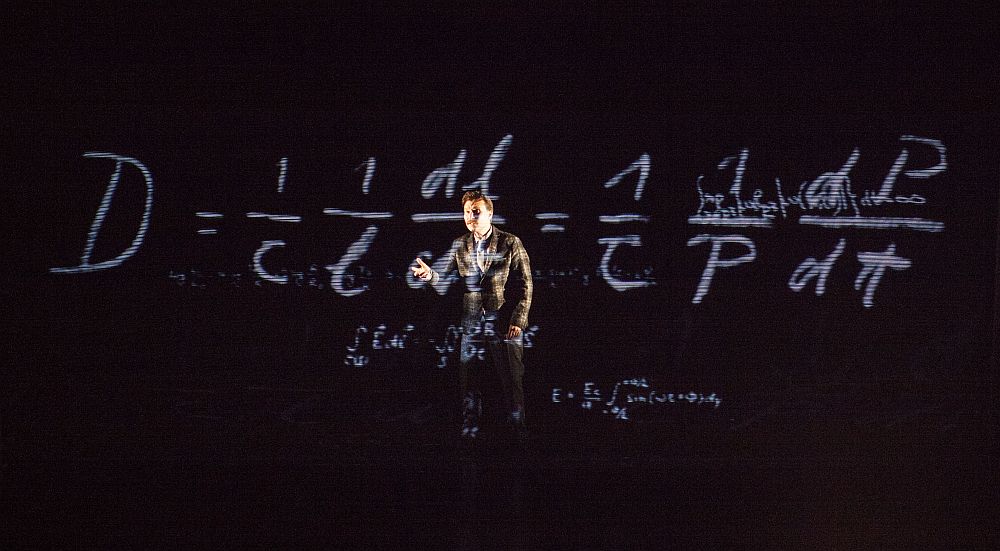
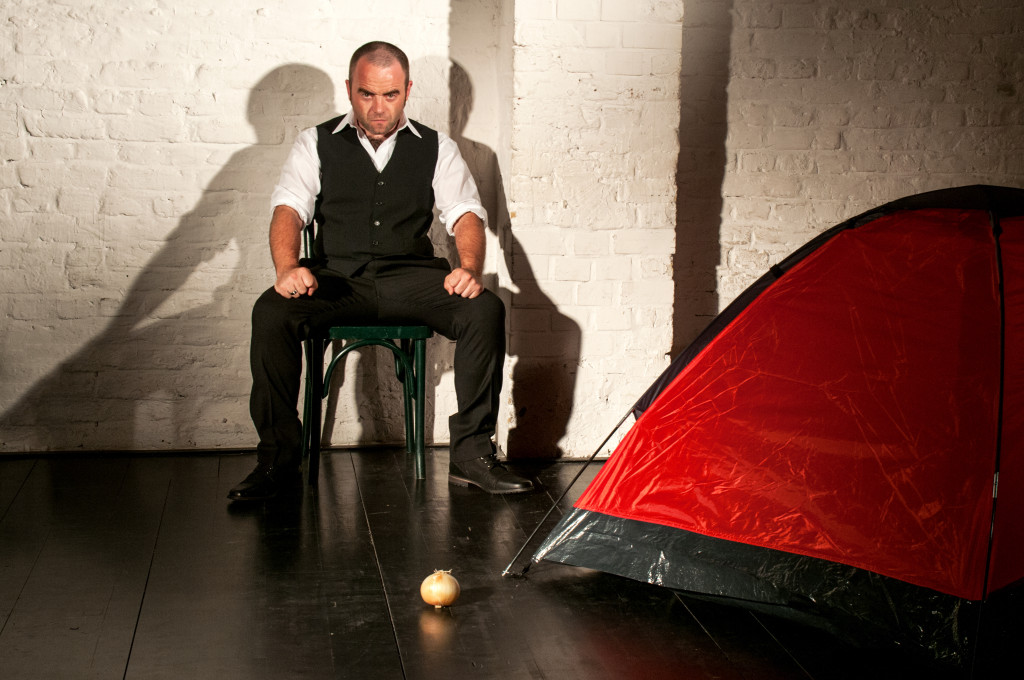 He doesn´t know a thing about art. But being a former bouncer, Dave gets hired to guard a controversial piece of art. “Jesus on the Cross” is ten feet high by six feet wide and was created in a, well, let’s say, different sort of way. There are people out there who won´t like it, and there are many ways of looking at it. While Dave develops his own relation to art and this particular piece, he begins defending it against his wife, the media and a whole bunch of religious fanatics. Then the shit hits the fan. In the end, his troubles come from an unexpected side.
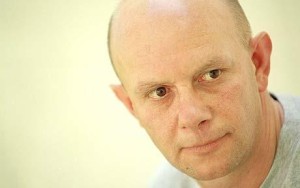 Nick Hornby is an English writer born in 1957 in Surrey. He studied English at Jesus College, Cambridge. His first book, Fever Pitch (1992), was a huge success, followed by High Fidelity (1995) which was made into a film starring John Cusack and a Broadway musical. About a Boy, also adapted into a film starring Hugh Grant, came out in 1998. Hornby´s other novels are How to be Good (2001), A Long Way Down (2005), Slam (2007), Juliet, Naked (2009) and Funny Girl (2014). His short story collection includes Faith (1998), Not a Star (2000) and Otherwise Pandemonium (2005). The film adaptation of Colm Tóibín´s novel Brooklyn for which Hornby wrote the screenplay was released in 2015. He has written numerous essays mostly on music and literature. Nick Hornby received, amongst numerous other awards and prizes, an Oscar nomination for his screenplay for Lone Scherfig´s film An Education (2009). He has been given the name “The maestro of the male confessional” for the brilliant portrayal of his male characters in his novels.
 Within a few years, Einstein emerged as an internationally-acclaimed scientist comparable to Copernicus or Newton. In Stockholm, however, the Nobel Committee for Physics resisted the massive support for his theories of relativity. What was at stake was whether or not a prize should go to Einstein and his “corrupt Jewish science,” as it was called by those who would soon instigate the next European catastrophe.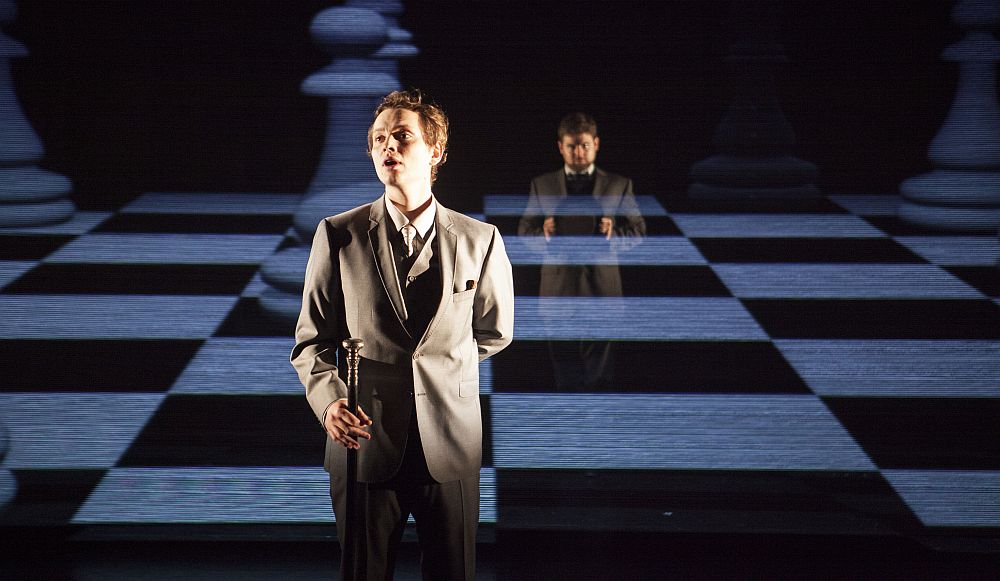
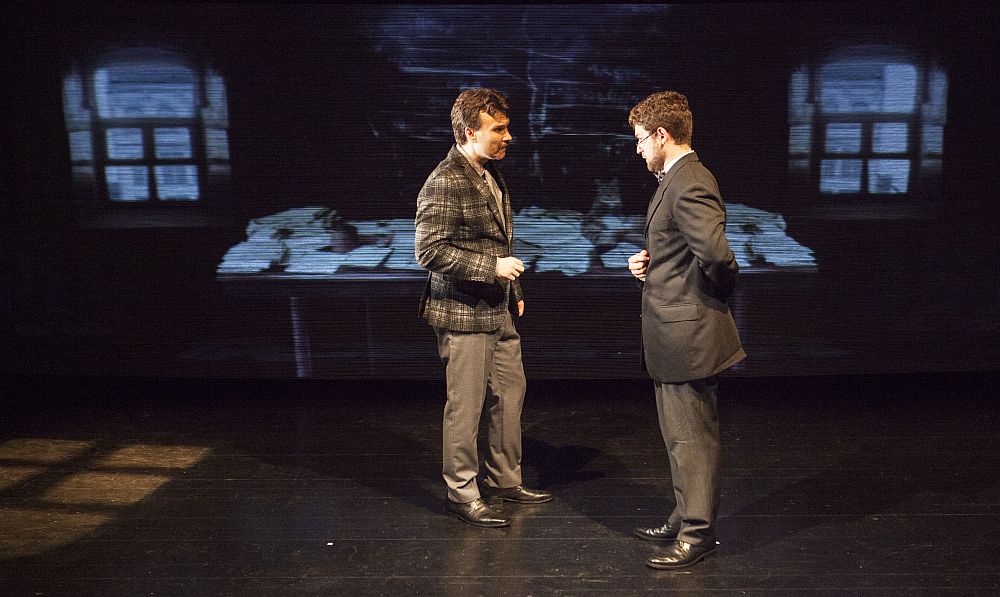
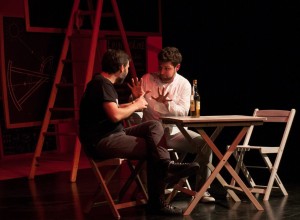 Isaac Newton wants to become a member of the Royal Society. Robert Hooke wants to know what Newton knows. Catherine wants to have a family. The guy with the plague wants to stay alive. They conduct a risky experiment.
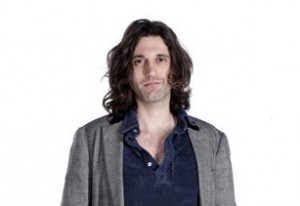 Lucas Hnath is one of the most promising voices in contemporary US theater. His other plays include Death Tax, NightNight, A Public Reading of an Unproduced Screenplay about the Death of Walt Disney , Red Speedo and The Christians. A resident playwright at New Dramatists since 2011, Lucas Hnath has enjoyed playwriting residencies with The Royal Court Theatre, London and 24Seven Lab, New York. He is a two-time winner of the Alfred P. Sloan Foundation Grant for his feature-length screenplays, The Painting, the Machine and the Apple and Still Life. He received both his BFA and MFA from NYU’s Department of Dramatic Writing and is a lecturer in NYU’s Expository Writing Program.
 Isaac’s Eye is part five of