The Poetic-Scientific Dream-Fate of Henrietta Lacks
a new play by Lauren Gunderson and Geetha Reddy
When Henrietta Lacks, a 31-year-old African-American mother of five was dying of cancer in a Baltimore hospital in 1951, doctors took samples of her tumor cells and gave the cell line the name HeLa. The HeLa cells were the first ones to stay alive outside the human body and multiply. They became an extremely valuable asset in medical research, generating treatments for polio and numerous other drugs. Millions of dollars were made with Henrietta´s cells. HeLa cells are still used for research in countless labs around the world. Henrietta, however, never gave her consent to have the samples taken and was not even asked. It was not until 1975 that her family learned about the connection between Henrietta and the HeLa cells.
In a kaleidoscope of emotional flashbacks, sweet memories and bitter dreams, HeLa explores the story of Henrietta Lacks’ life and death and her posthumous life. It is a tale of love, togetherness and fate, but also of exploitation, neglect and racism.
“Once again, we see how Black families in the U.S. have served us all, at great cost to themselves.” Theatrius.com
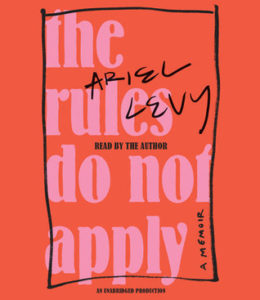 When Ariel Levy left for a reporting trip to Mongolia in 2012, she was pregnant, married, financially secure, and successful on her own terms. A month later, none of that was true. Levy picks you up and hurls you through the story of how she built an unconventional life and then watched it fall apart with astonishing speed. Like much of her generation, she was raised to resist traditional rules—about work, about love, and about womanhood.
 Ariel Levy joined The New Yorker as a staff writer in 2008 and received the National Magazine Award for Essays and Criticism in 2014 for her piece “Thanksgiving in Mongolia.” She is the author of the book Female Chauvinist Pigs and was a contributing editor at the magazine New York for twelve years.
 Listen to Alex Spencer on
 Listen to Viktor’s Joy on
 Listen to Sam Dale on
 Visit Kilkelly at his